The fog rises. What in the streets was a veil up here was complete blindness.
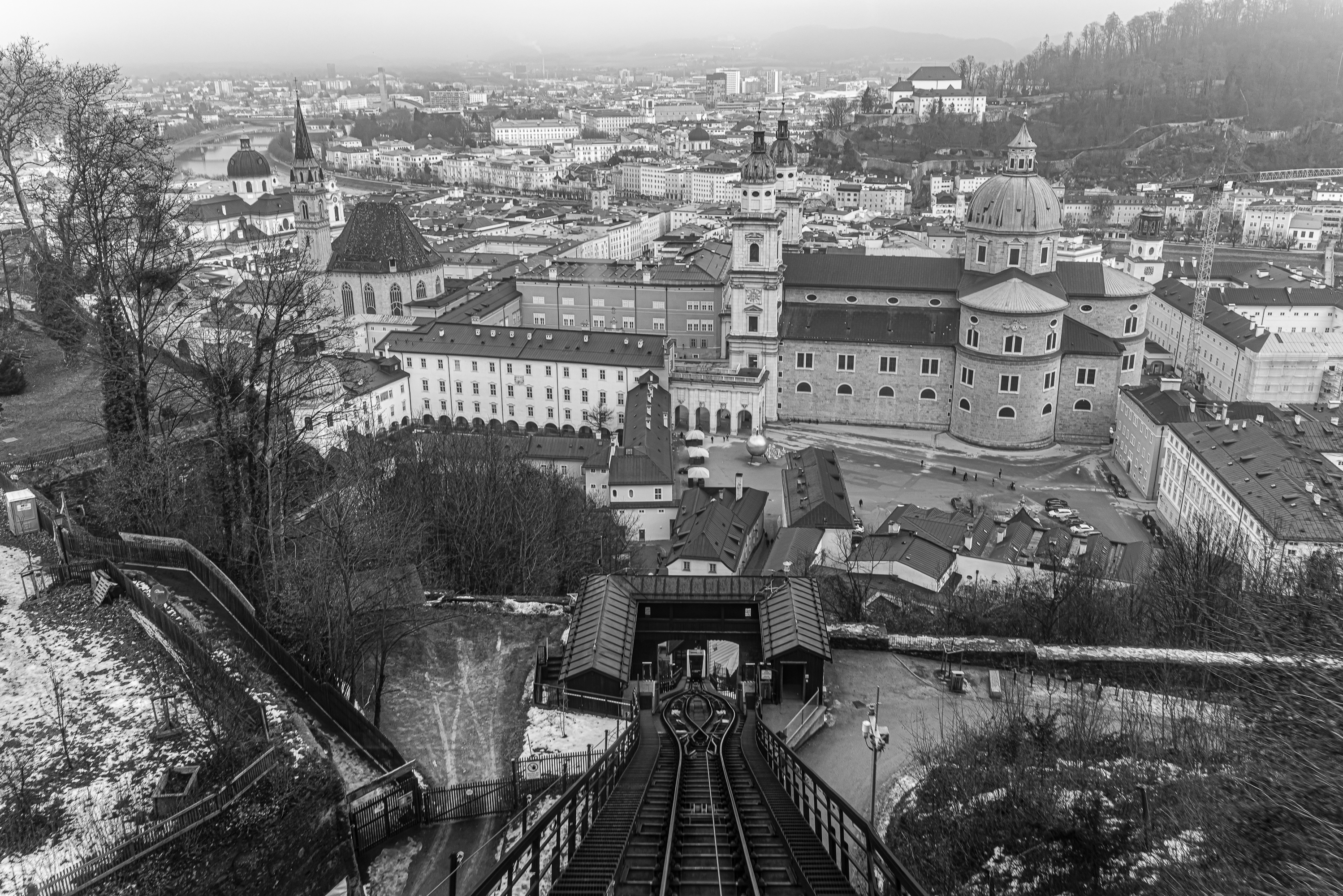
I have climbed to the fortress. I wanted to fulfill what I announced to you yesterday and see Salzburg from where they saw it. Well then: they did not see it. Or not as I expected. I arrived at the top still with fog—it seems this city has trouble letting go of it—and the first thing I discovered is that from the fortress the city is seen worse than from below.
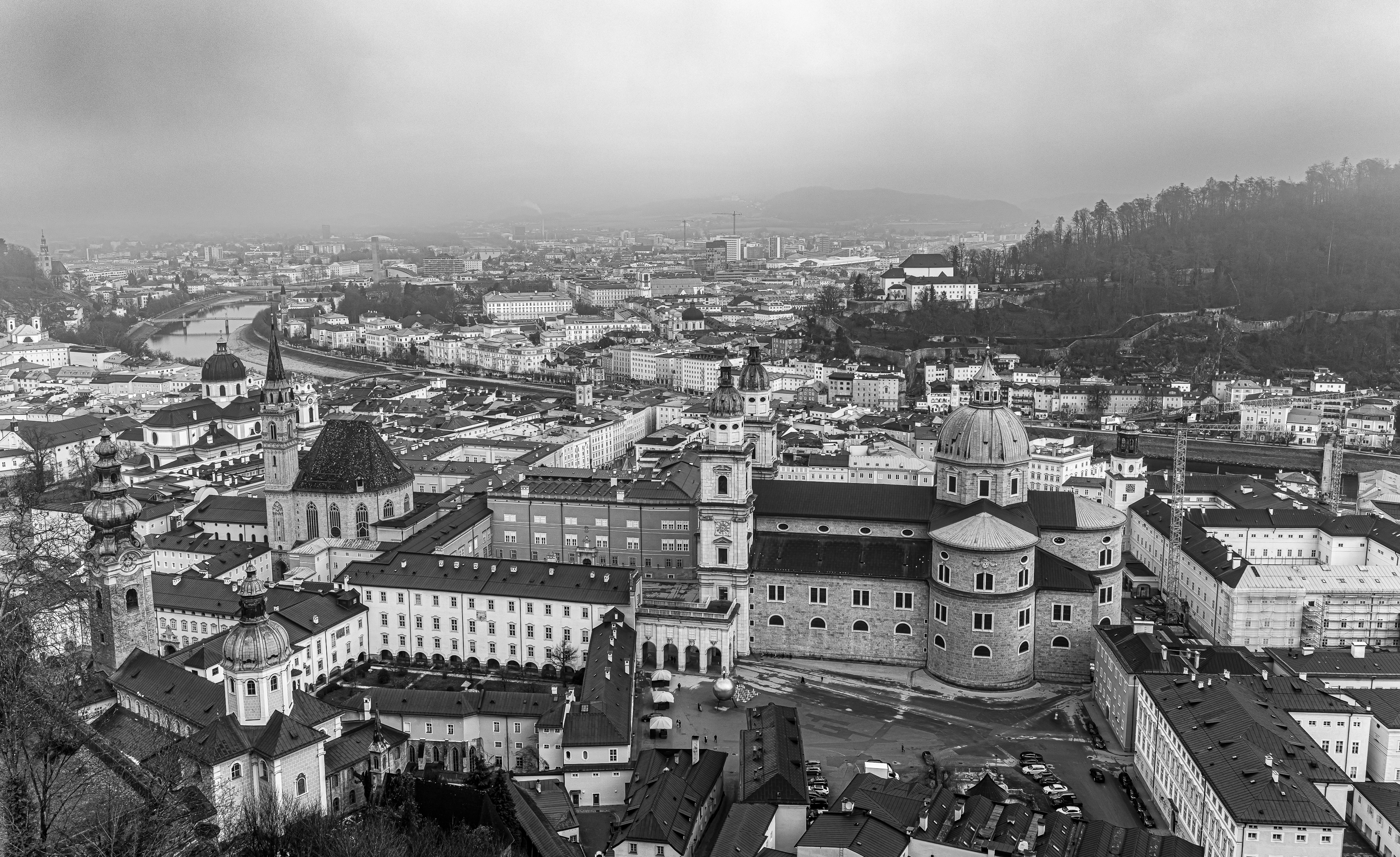
The fog rises. What in the streets was a veil up here was complete blindness.
The fog rises. What in the streets was a veil up here was complete blindness, and perhaps that explains many things. That whoever governs from on high does not necessarily see more clearly. That height does not give perspective: it gives isolation.
I have walked the walls for hours. Hohensalzburg is not a building: it is an accumulation. Centuries of patches, expansions, layers of stone added over previous layers like the decisions of a power that never considered stopping.
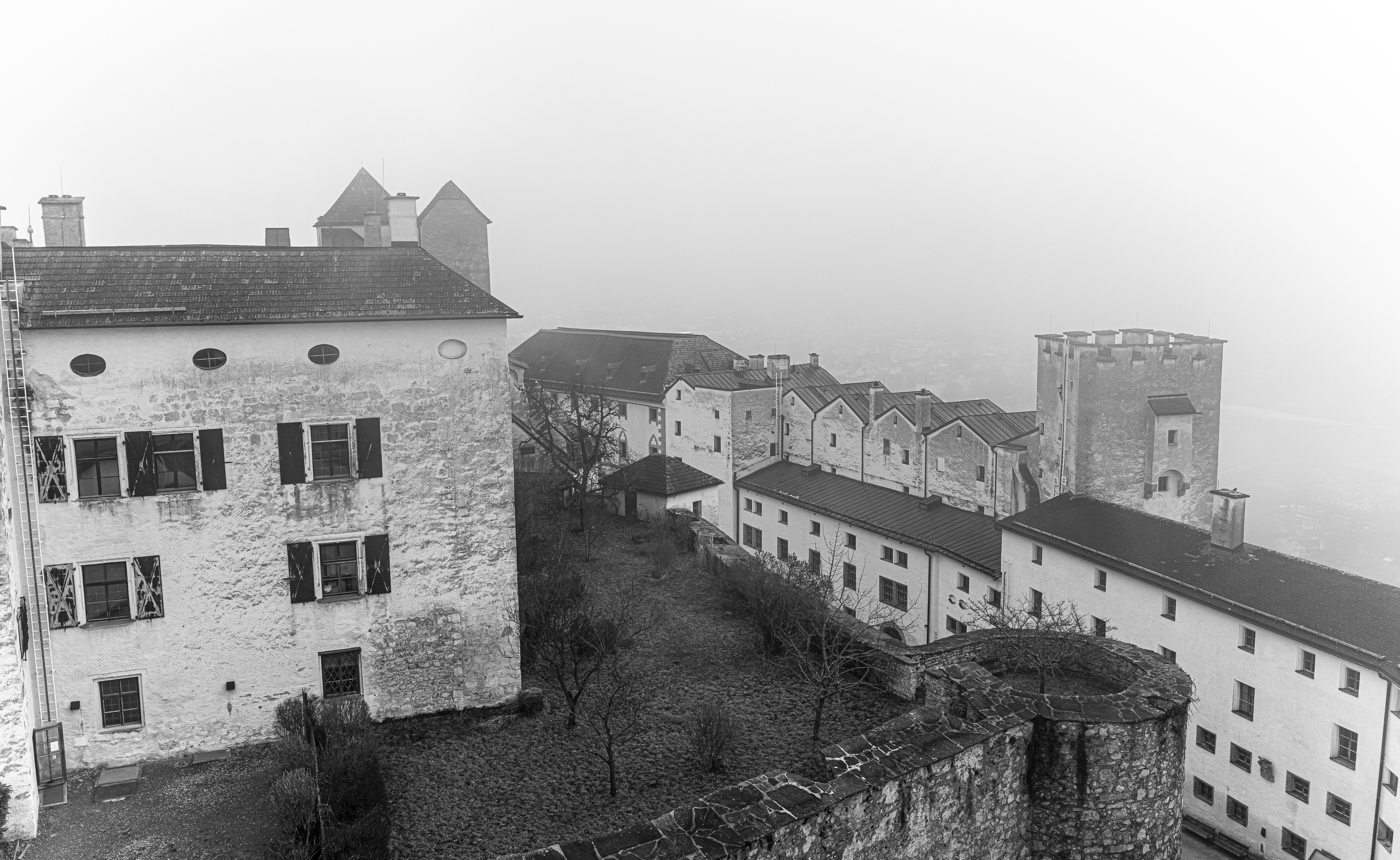
The walls are thicker than I have seen anywhere else, whitewashed with black shutters.
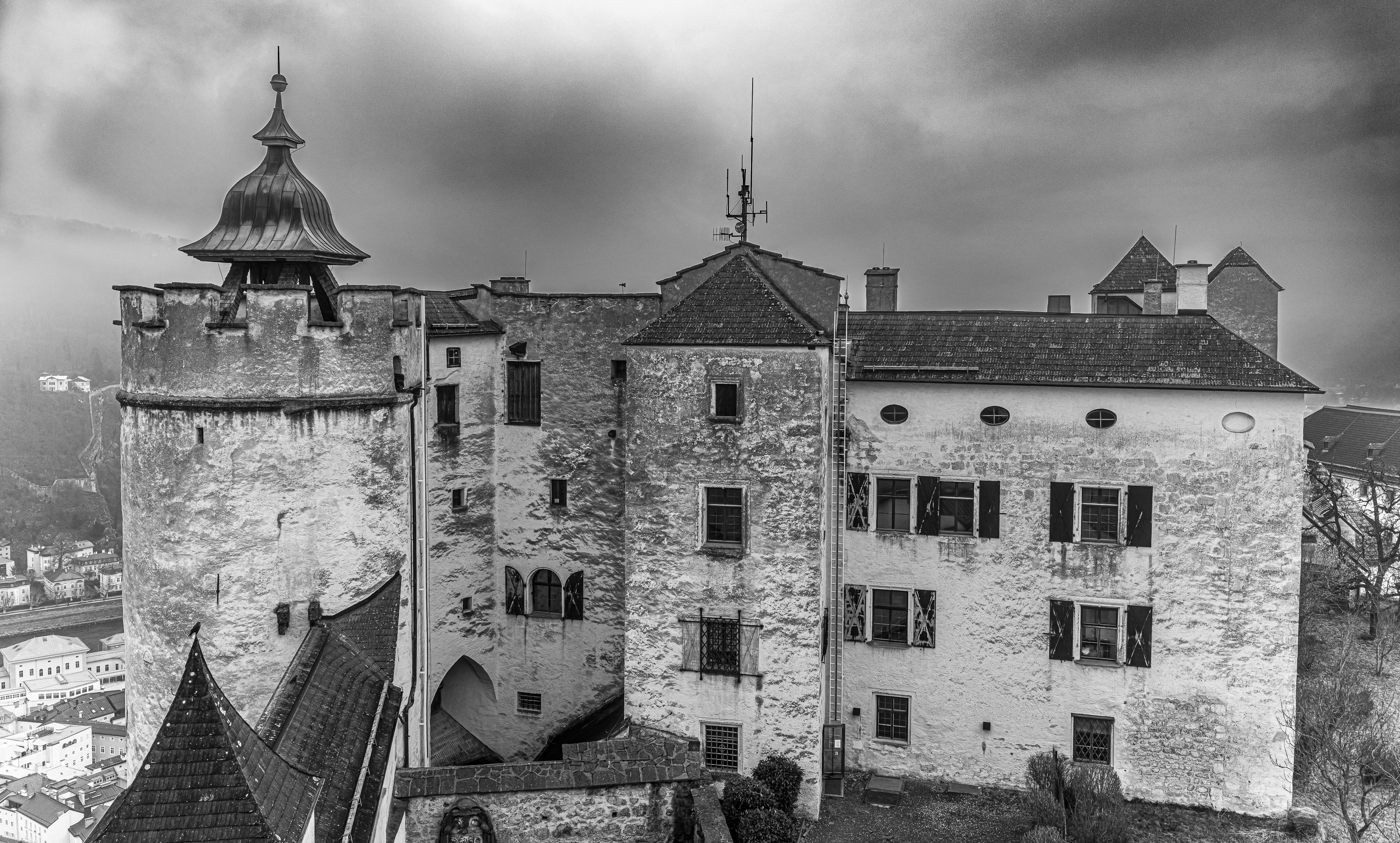
The walls are thicker than I have seen anywhere else, whitewashed with black shutters that give it more the air of a convent than a fortress. But do not be deceived: this is not a place of contemplation. It is a machine. Every meter of wall, every tower, every narrow corridor was designed for one thing only, and it was not prayer.
It was at one of the windows where I understood something I did not expect.
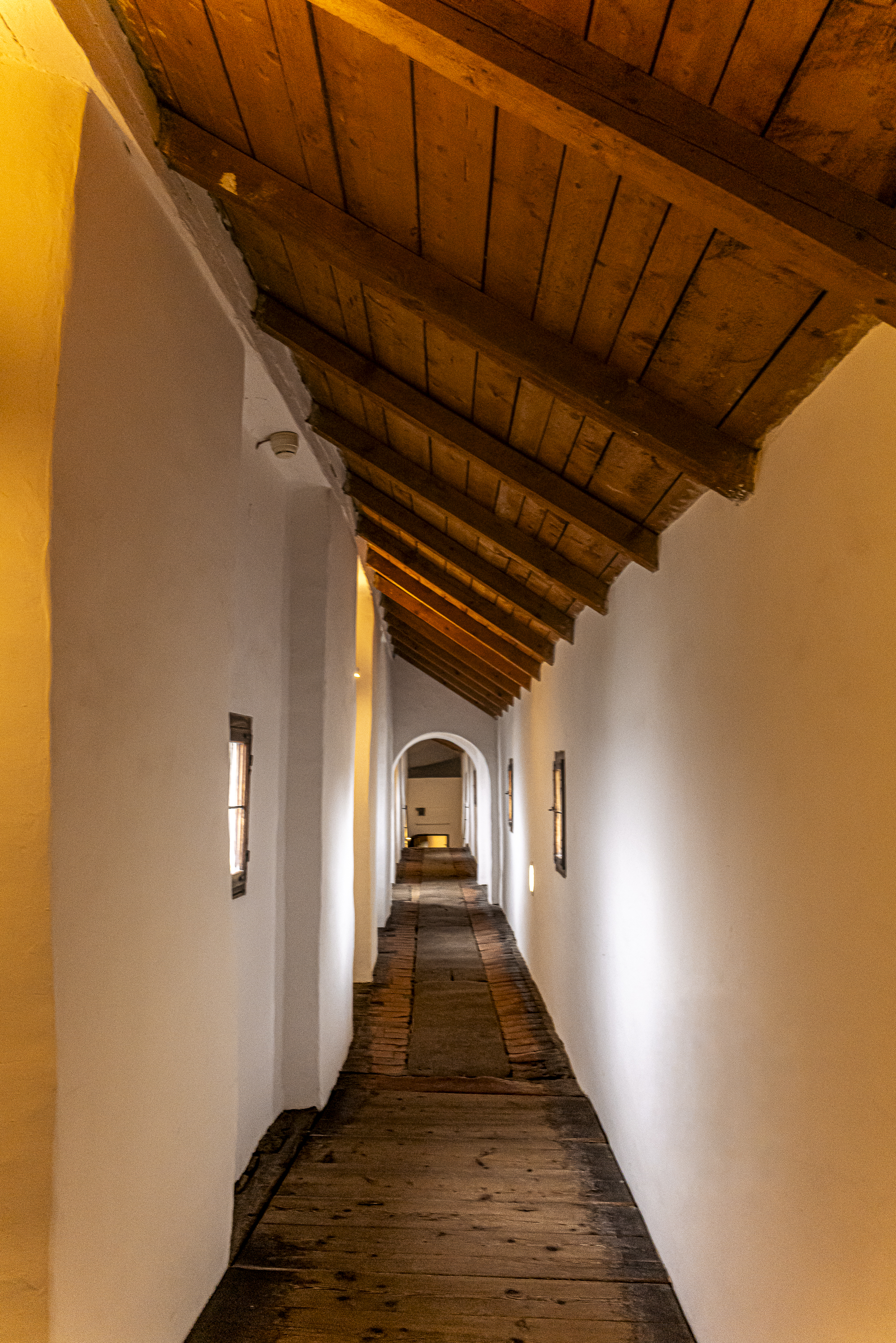
The machine is intact and has no operator.
The city appeared framed by a thick iron grating, black diamonds that gridded the domes and rooftops as if Salzburg were something that had to be kept locked up. Or watched.
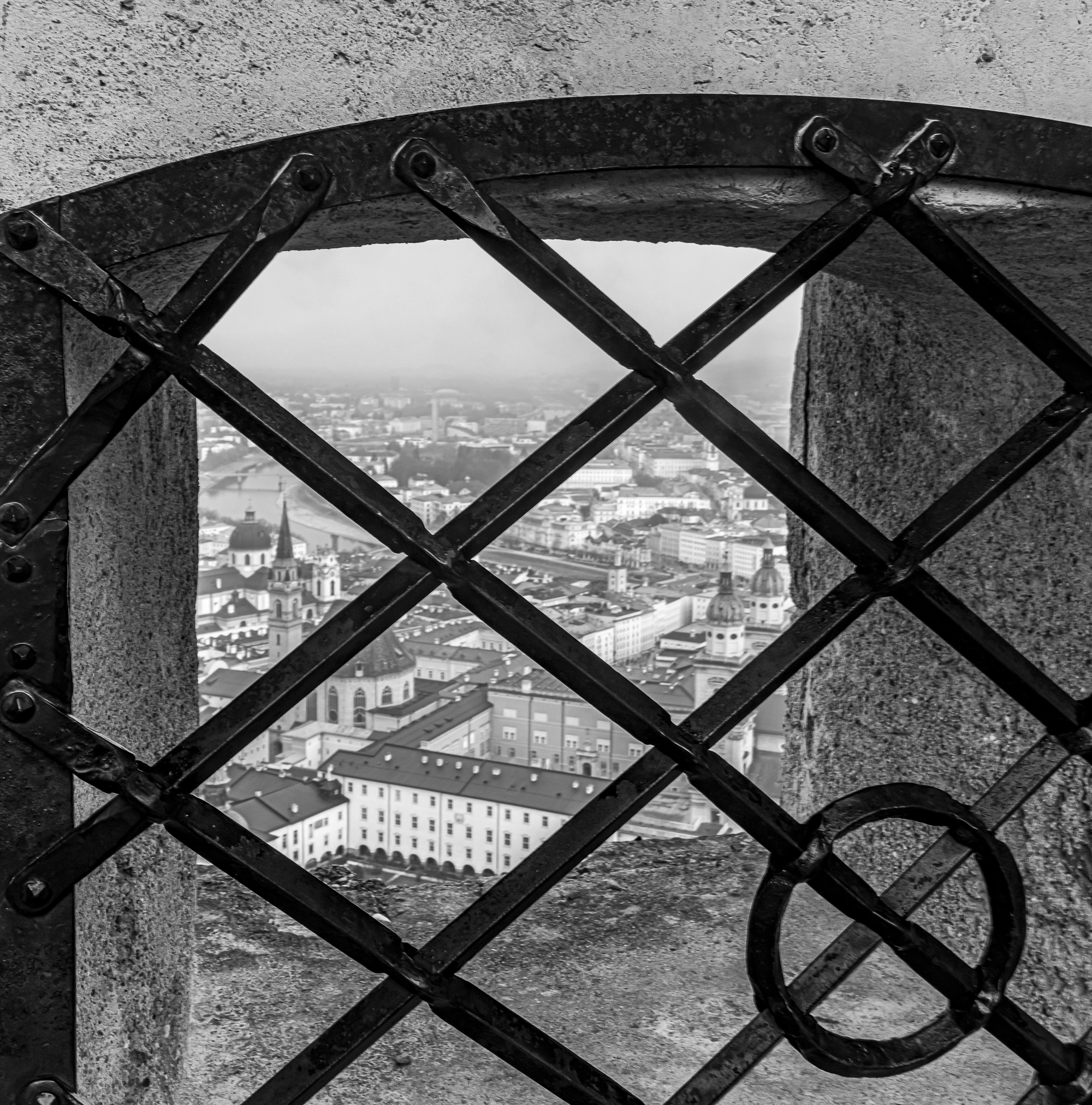
Absolute power looked at its domain from behind bars.
It took me time to understand that this was exactly the prince-archbishop's view. That the man who commanded over everything that spread out down there always saw it like this: through iron. Absolute power looked at its domain from behind bars. I do not know if this is an irony or an involuntary confession of the architecture, but it has made an impression on me that I cannot shake. You told me before I left that absolute power is a form of captivity. I told you it was a nice phrase. It no longer seems so to me. The fortress was not only the throne. It was also the cage. A man who concentrates in his person temporal, spiritual, and judicial power does not govern from freedom but from the confinement that his own power imposes on him.
The fog has been lifting throughout the morning and with it everything has changed.
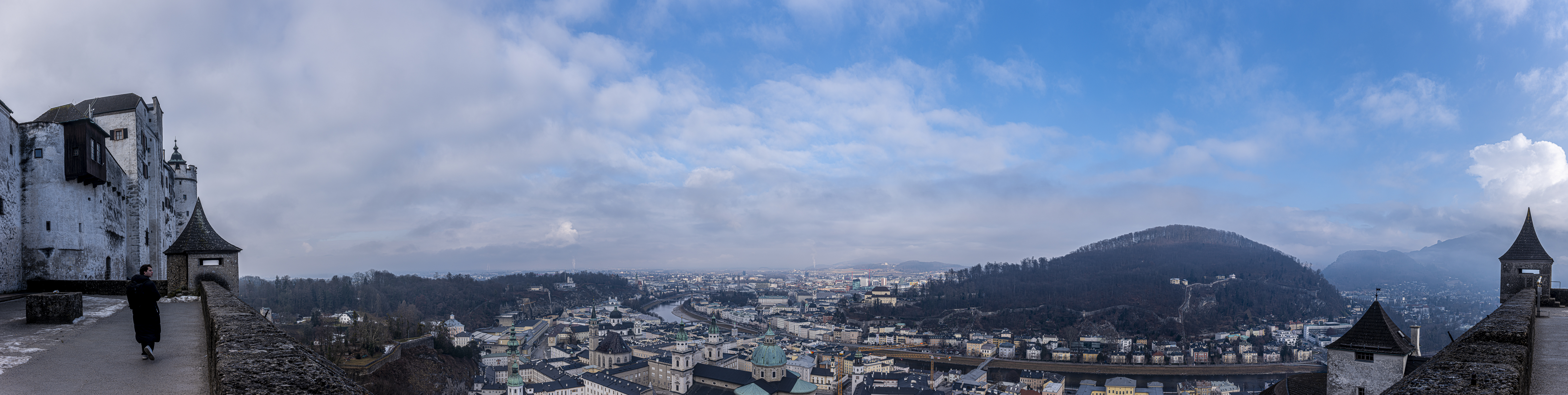
Suddenly the mountains were there, enormous, indifferent, and the fortress that from below seemed to crown the world has revealed itself as what it really is: a stone halfway up the slope. I have walked the battlements now without mist and what I have found has been a strange silence. Not the silence of emptiness but that of what does not yet know it has ended. Everything is still here—the sentry boxes, the embrasures, the passageways—but there is no longer anyone to give the orders. The machine is intact and has no operator.
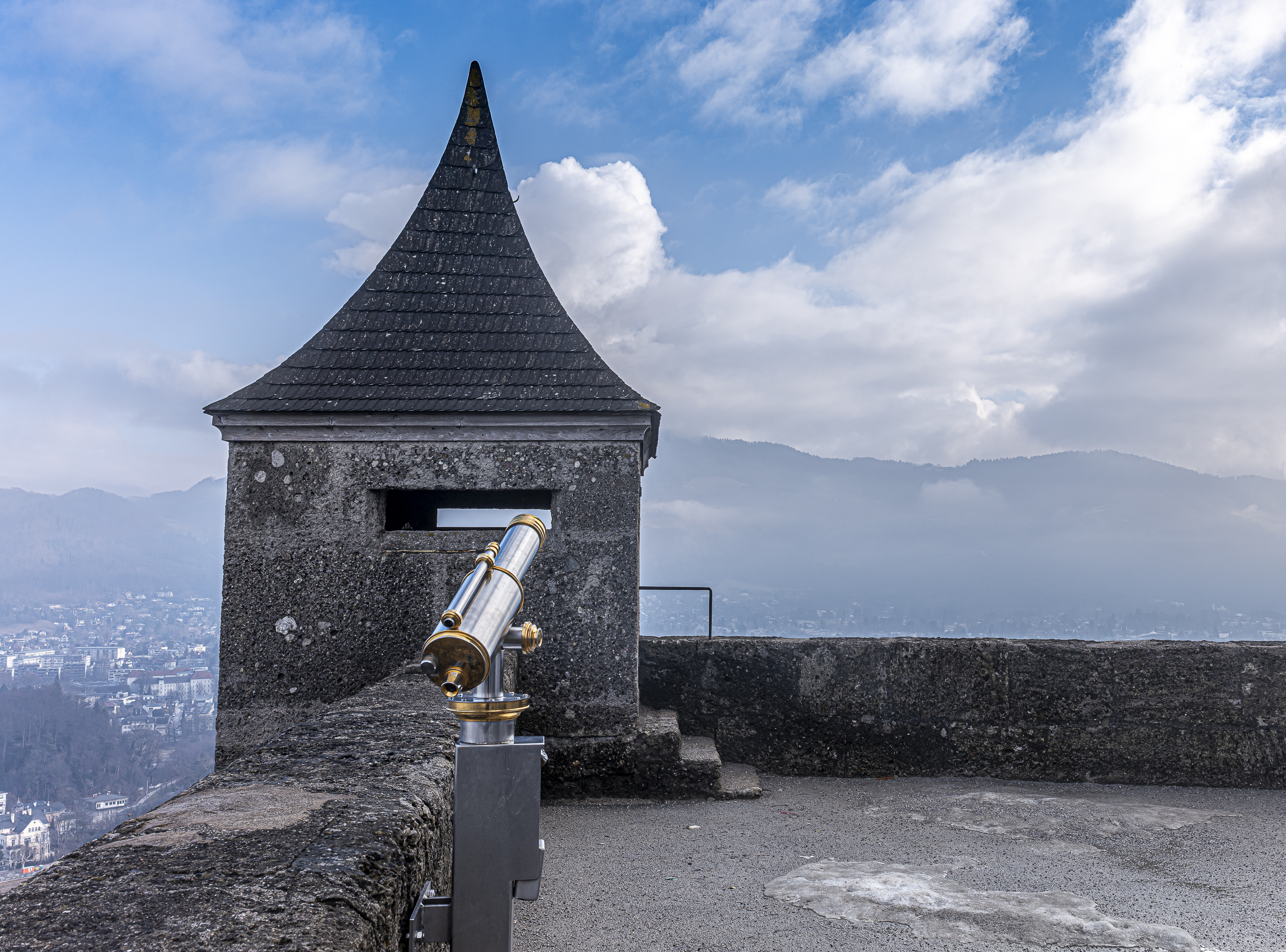
The mountains were there, enormous, indifferent.
At some point I looked out over the southern wall, the one that never had reason to watch because danger always came from the north. And what I saw relieved me more than I can explain.
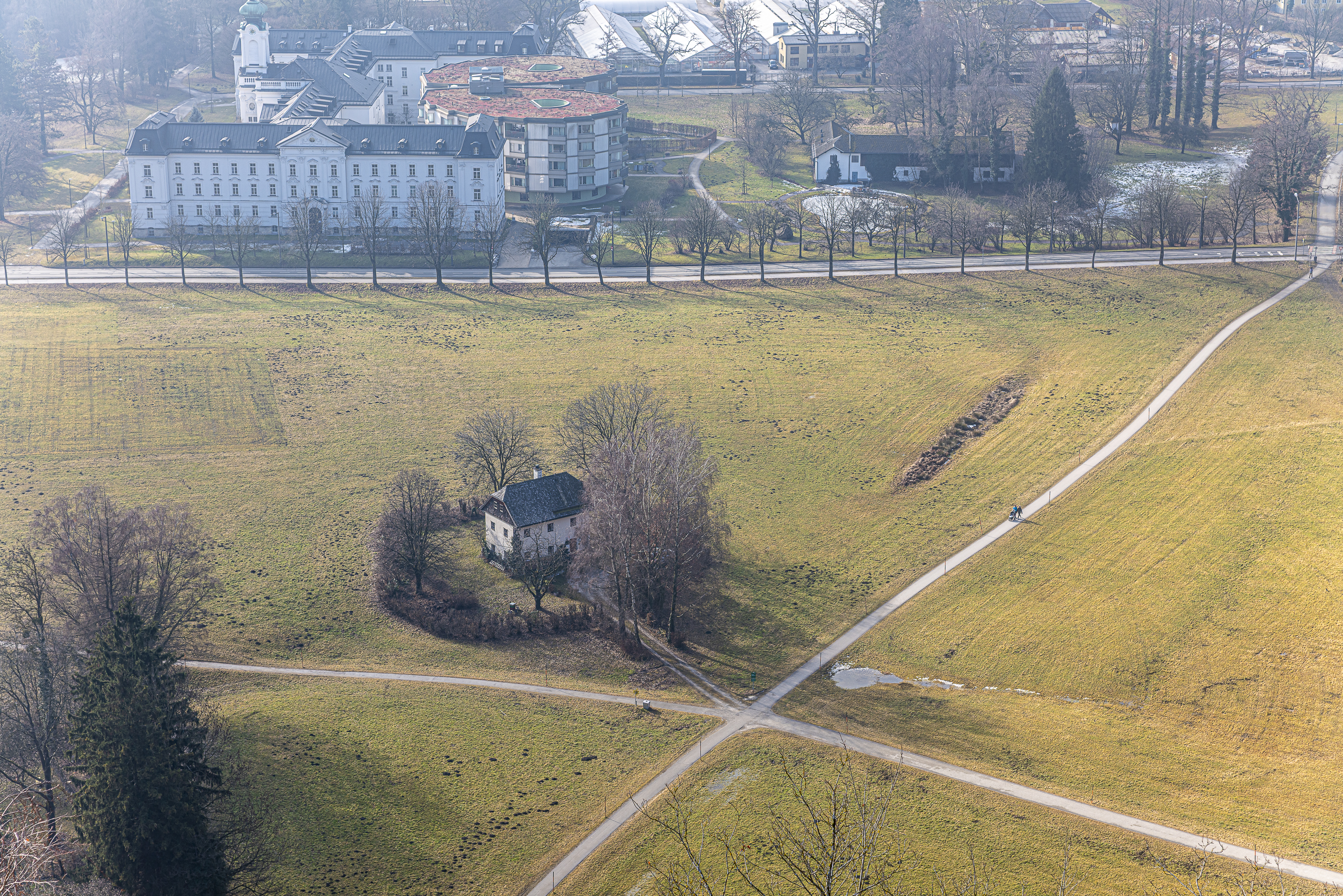
Nothing. Fields, a house, paths that lead nowhere important. The life of those who never had to worry about who sat on the throne above. After so much stone and so much weight, that view seemed to me the most beautiful of the entire fortress.
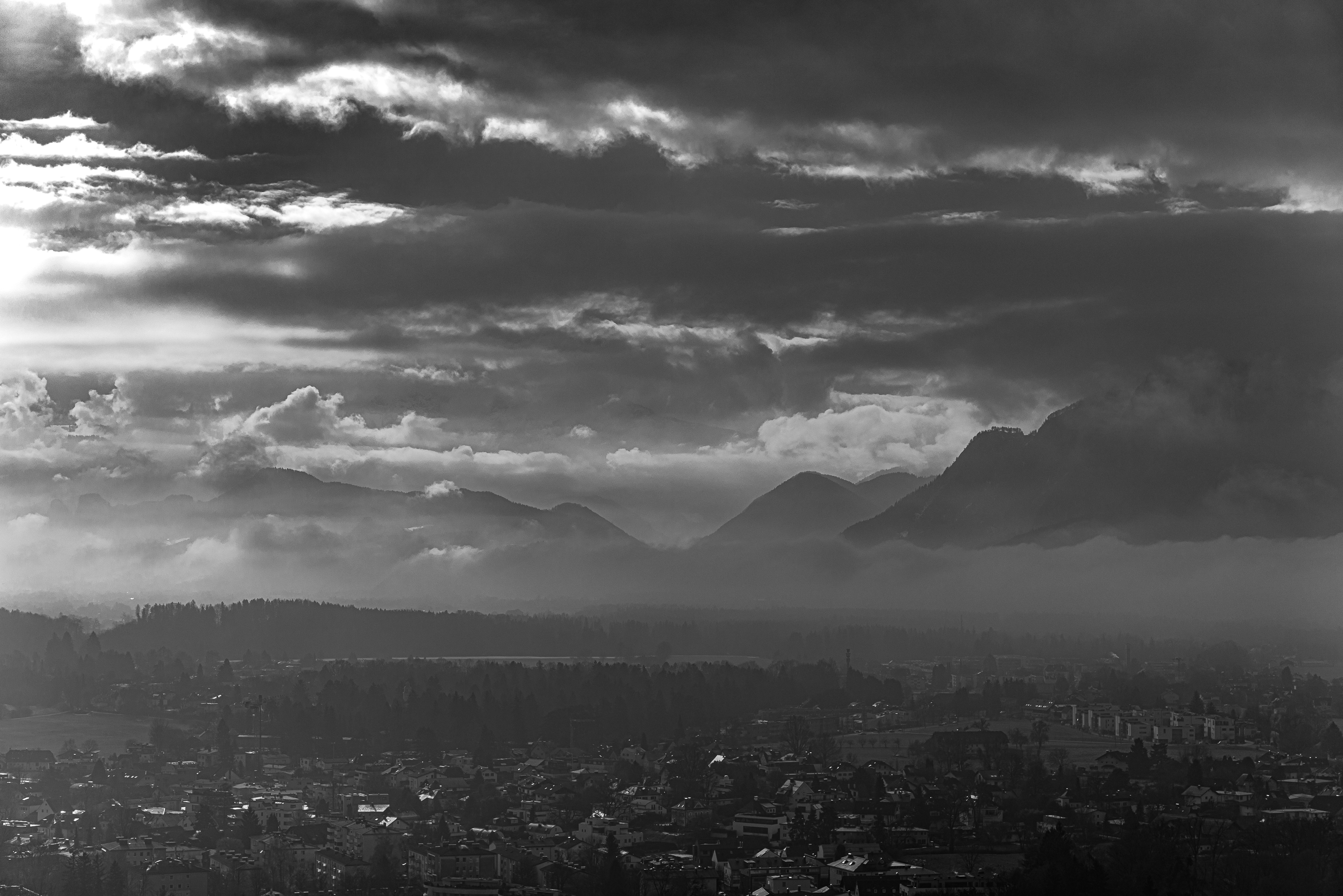
I descended at the end of the afternoon. As I turned to look one last time, the sun was breaking through enormous clouds and the rays fell on the valley like knives of light. I thought that light was there before the fortress. And it will be there long after.
Tomorrow I will visit the cathedral. I have been told it is where everything began.