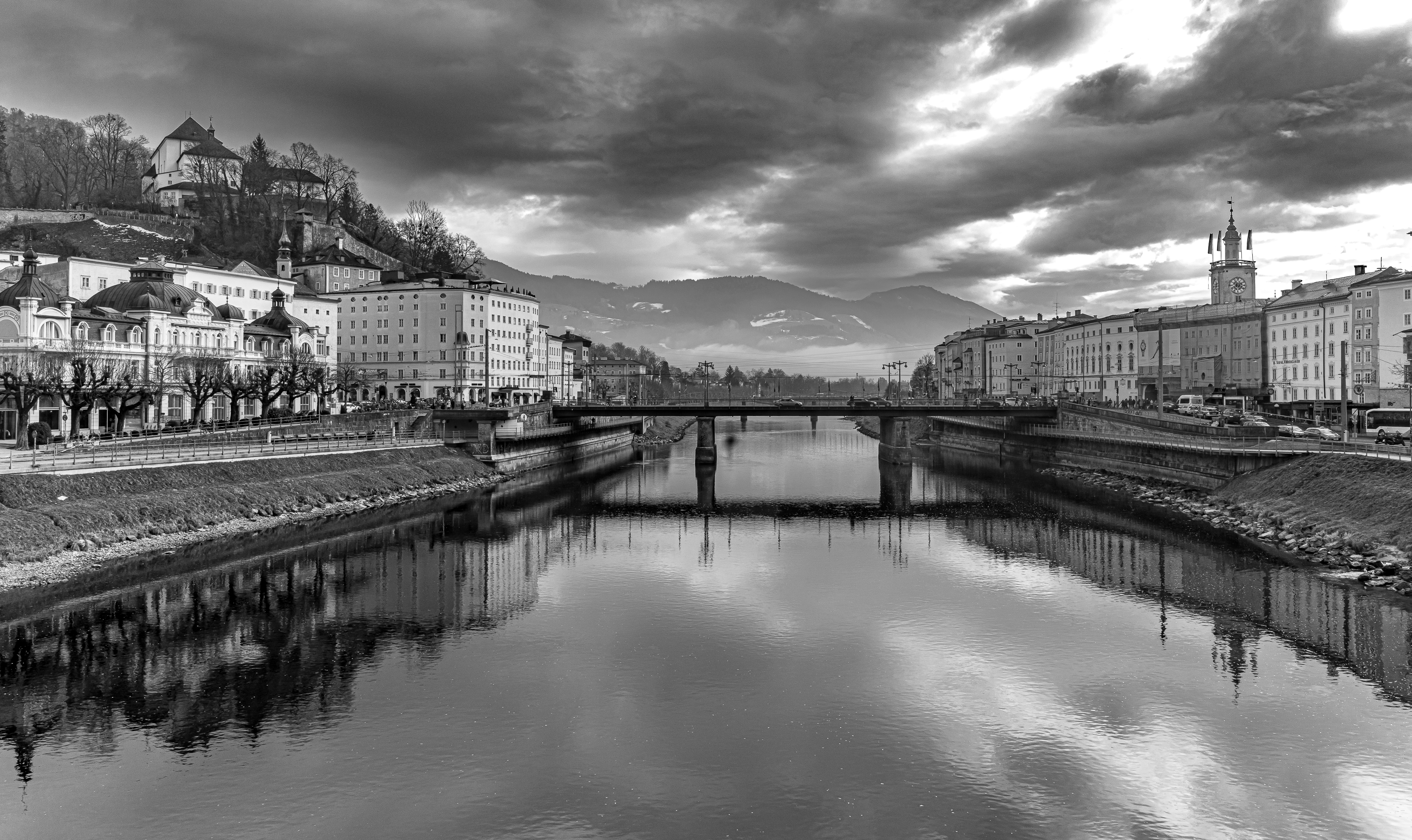
I crossed the bridges I had crossed yesterday without seeing and from each one the same image.
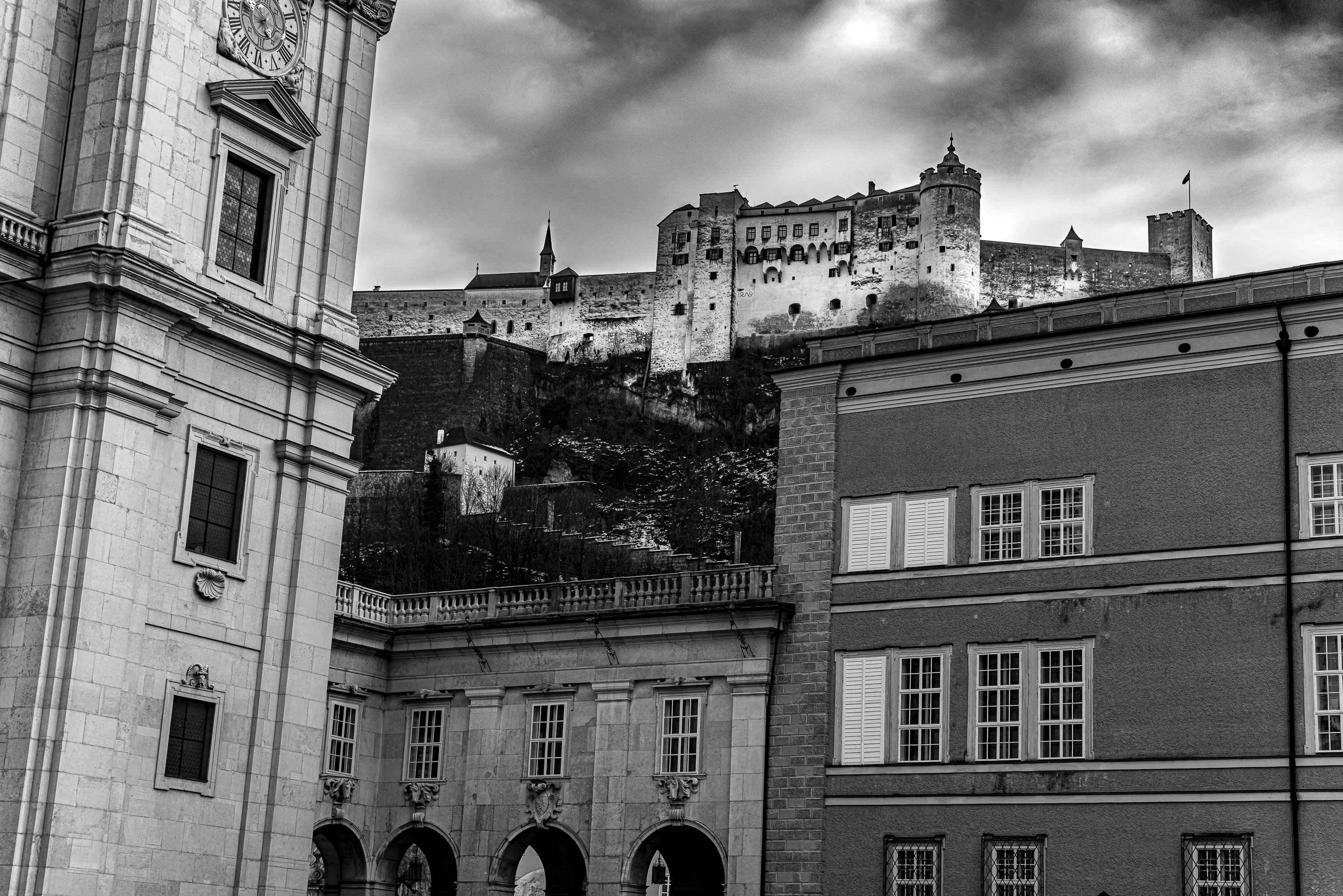
It has lifted. You were right, and so were those who promised me last night at the inn: this morning there was no fog. I looked out into the street expecting a gradual transition, a measured unveiling, and what I received was a blow. Salzburg does not reveal itself: it imposes itself. It was all there, entire, all at once, and the first thing I understood was that what the fog had hidden from me yesterday was not a city. It was a declaration of power.
I went out to walk with the eagerness of a blind man whose sight has been restored. But with each step the eagerness transformed into something else. I crossed the bridges I had crossed yesterday without seeing and from each one the same image: domes, towers, bell towers, the fortress above, everything piled in an accumulation that does not seek beauty but obedience.
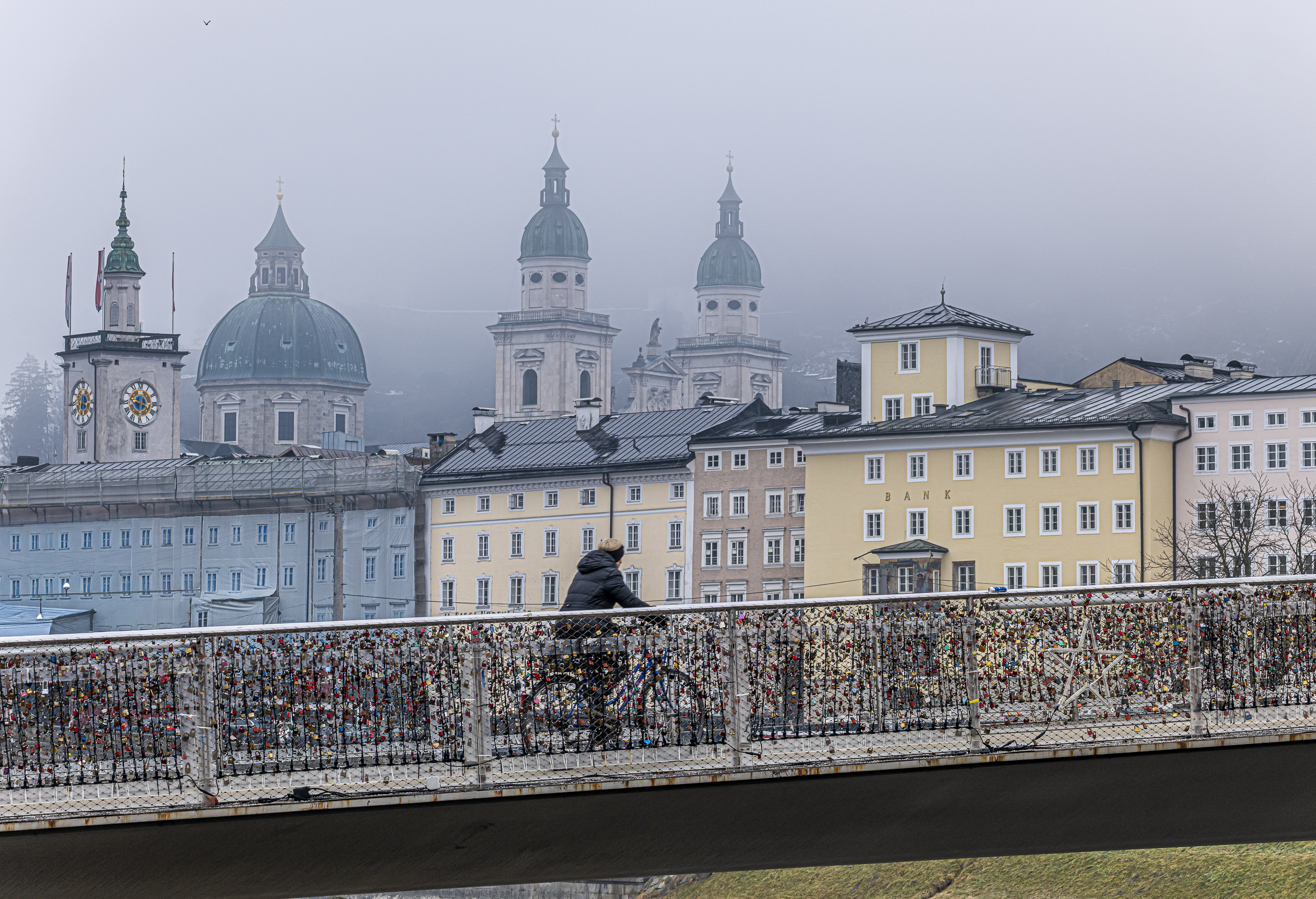
I crossed the bridges I had crossed yesterday without seeing and from each one the same image.
There is not a single angle of this city that is not designed to remind the viewer who commands here. Or who commanded. Because the extraordinary thing is that everything remains standing. Each stone remains exactly where it was placed, each dome continues pointing to the heaven that justified its authority, and yet the power that raised all this has vanished with the same ease with which yesterday's fog vanished. More easily, in fact. The fog took a night to dissipate. The principality was dissolved in an afternoon.
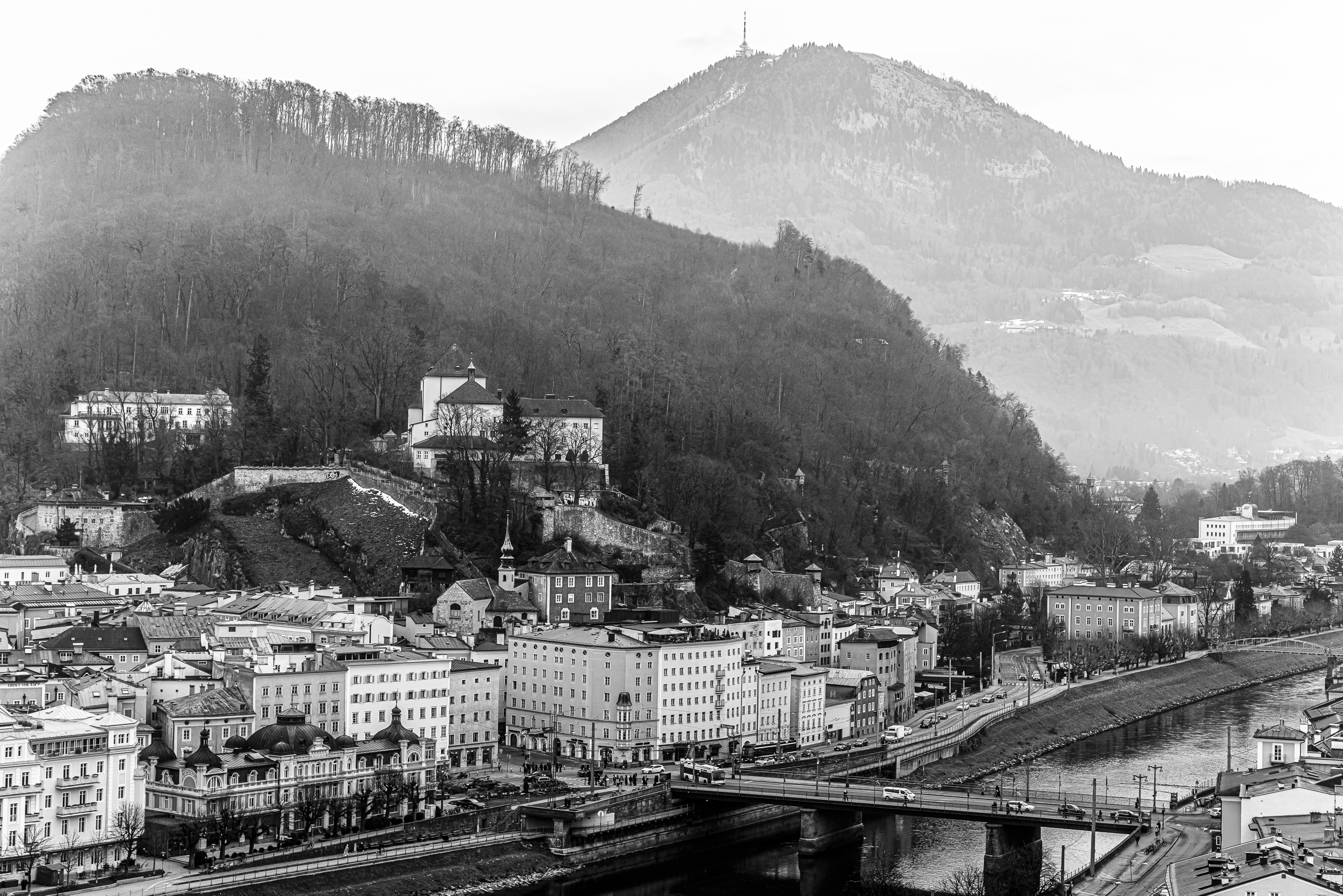
I climbed to a viewpoint on the north bank to try to take in the whole. I was not prepared.
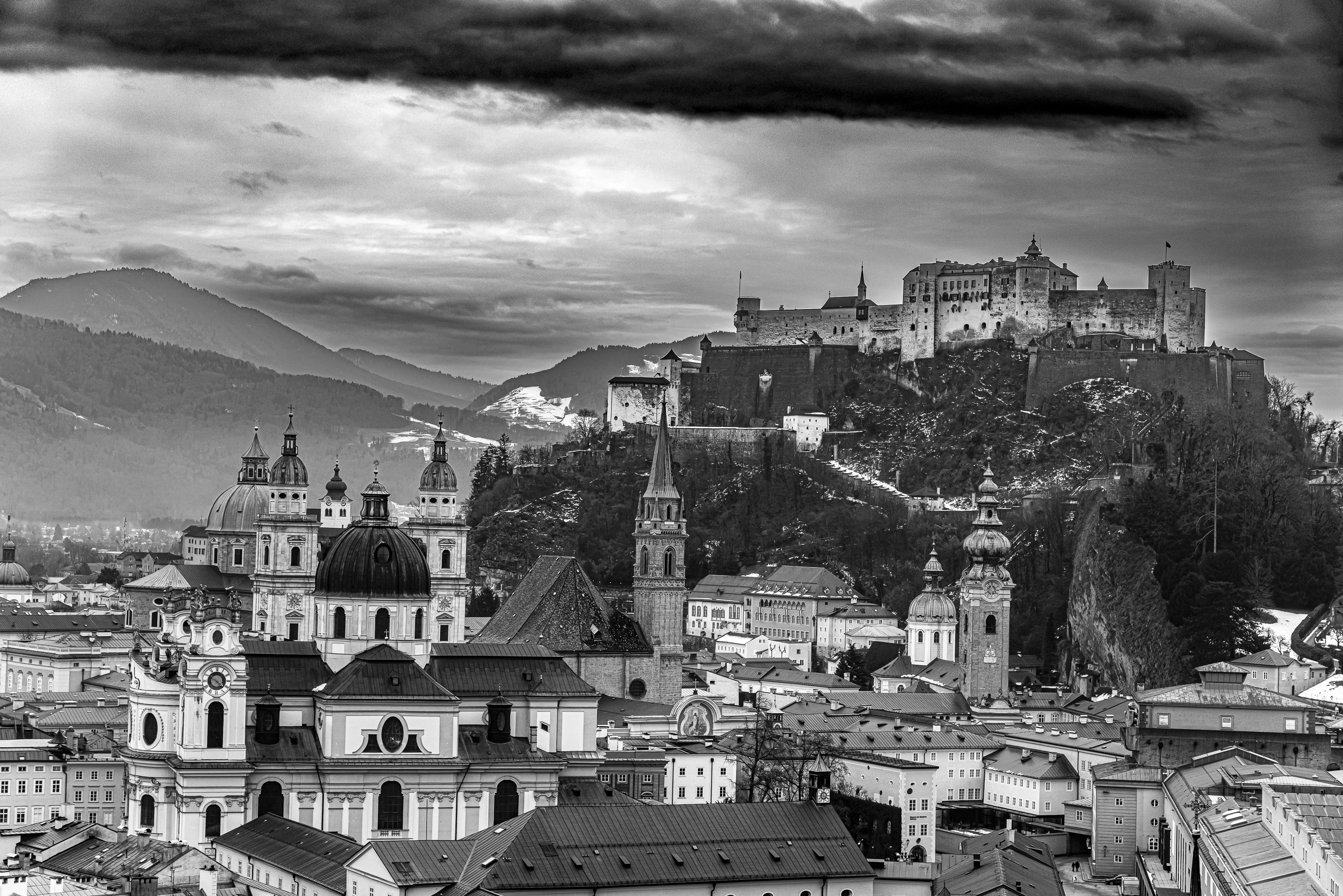
There are too many domes for a city of this size. Too many towers. Too many bell towers competing for the sky as if each prince-archbishop had needed to build higher than his predecessor to demonstrate something that in reality no one disputed. The result is a silhouette unlike any other city I know: a vertical accumulation of ecclesiastical vanity with the fortress crowning it all like the definitive signature.
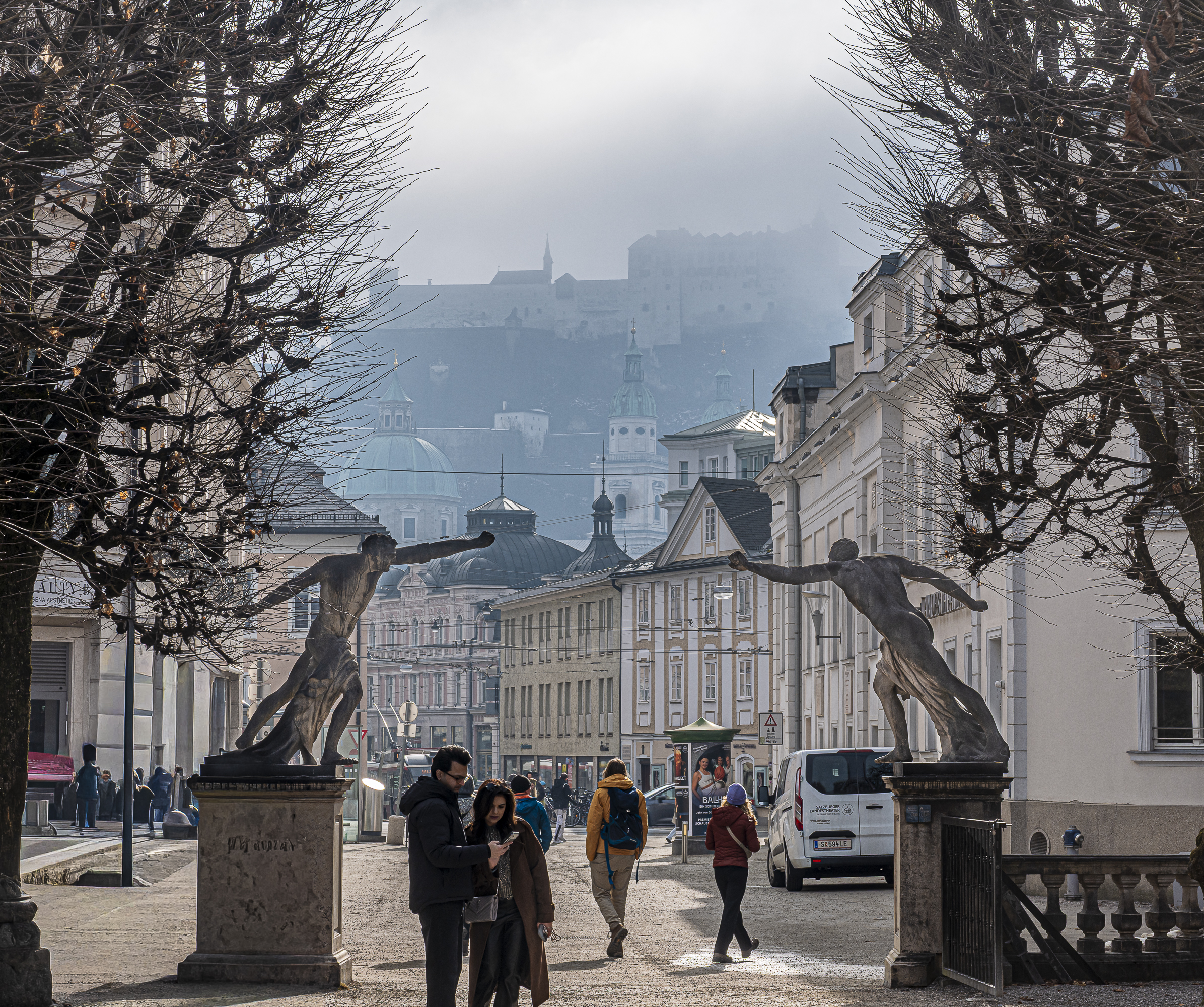
A vertical accumulation of ecclesiastical vanity.
From up here Salzburg reads like a document: each building is a clause of the same argument, each dome a flourish. And the entire argument has been repealed. While I was looking the bells began to ring. Not one church: all of them. A chained peal that jumped from tower to tower until it filled the entire valley, and for a few minutes Salzburg sounded again like what it was. Then it stopped and the silence that followed was more eloquent than any decree.
And behind everything, the Alps.
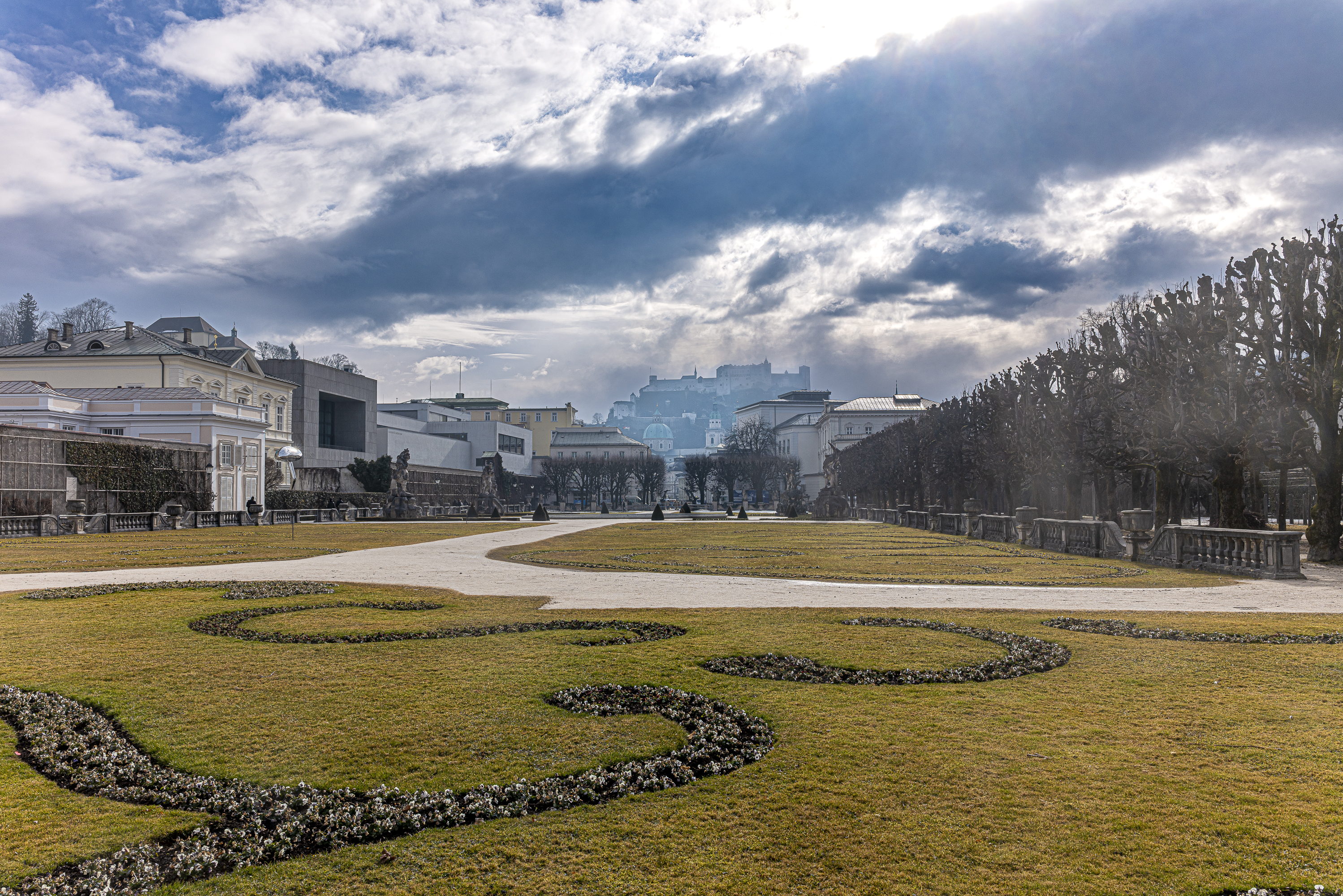
I did not expect this. You will understand what I mean: the mountains close the horizon on all sides with an authority that diminishes everything else, including the fortress, including all the accumulated vanity of the prince-archbishops. There is something almost comical in the pretension of building an impregnable fortress at the foot of mountains that have been there for millions of years and will remain there when not one stone stands upon another of Hohensalzburg. But I suppose power has never had a sense of proportion. Nor humility before what precedes it.
I returned to the river at the end of the afternoon. I wanted to see the reflections now that the water was visible, to verify whether the inverted city I glimpsed yesterday also existed without the fog.
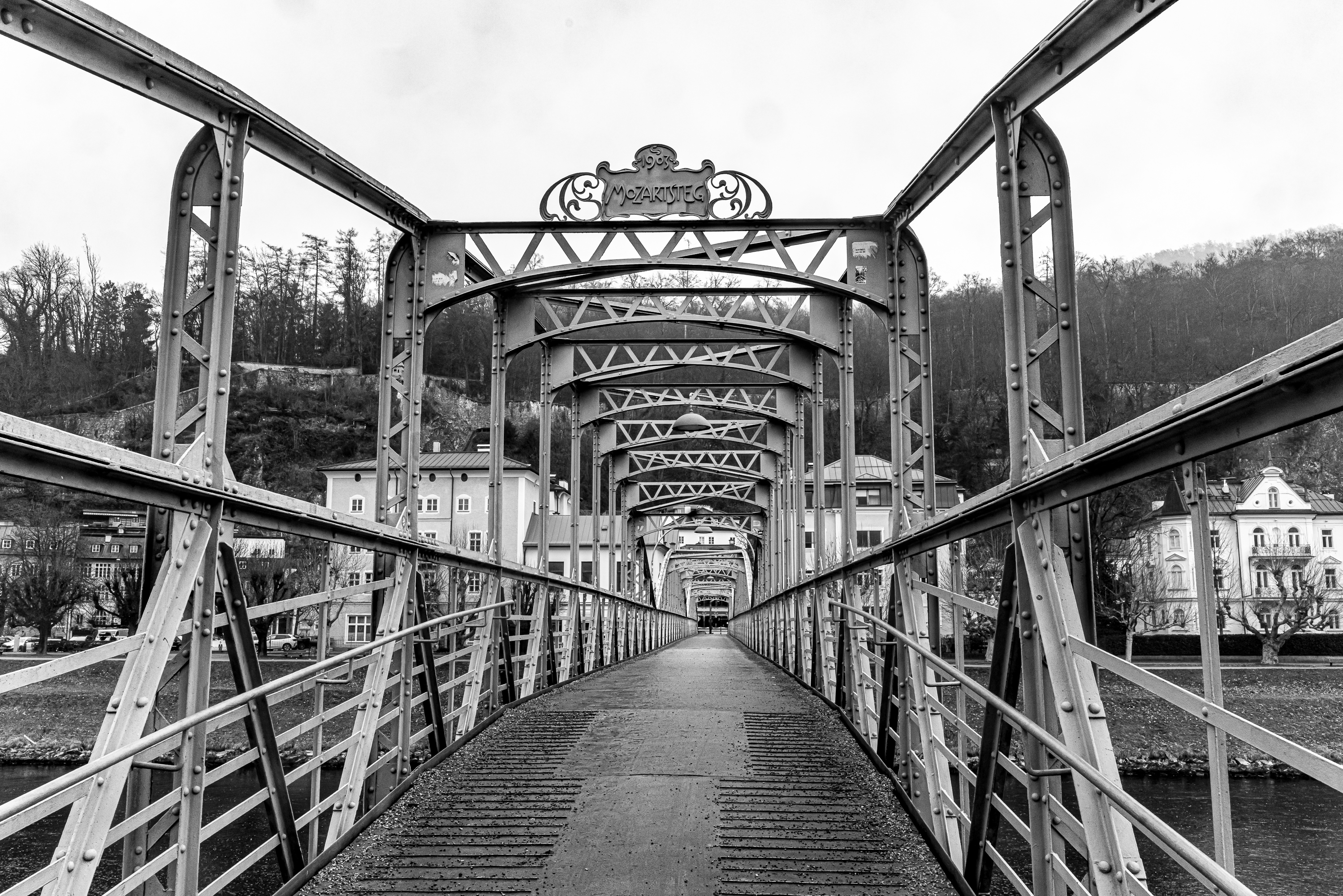
I returned to the river at the end of the afternoon.
It existed. But it was different. Yesterday the reflection was the only real thing. Today it was a trembling copy of something that could already be seen directly, more fragile, easier to destroy.
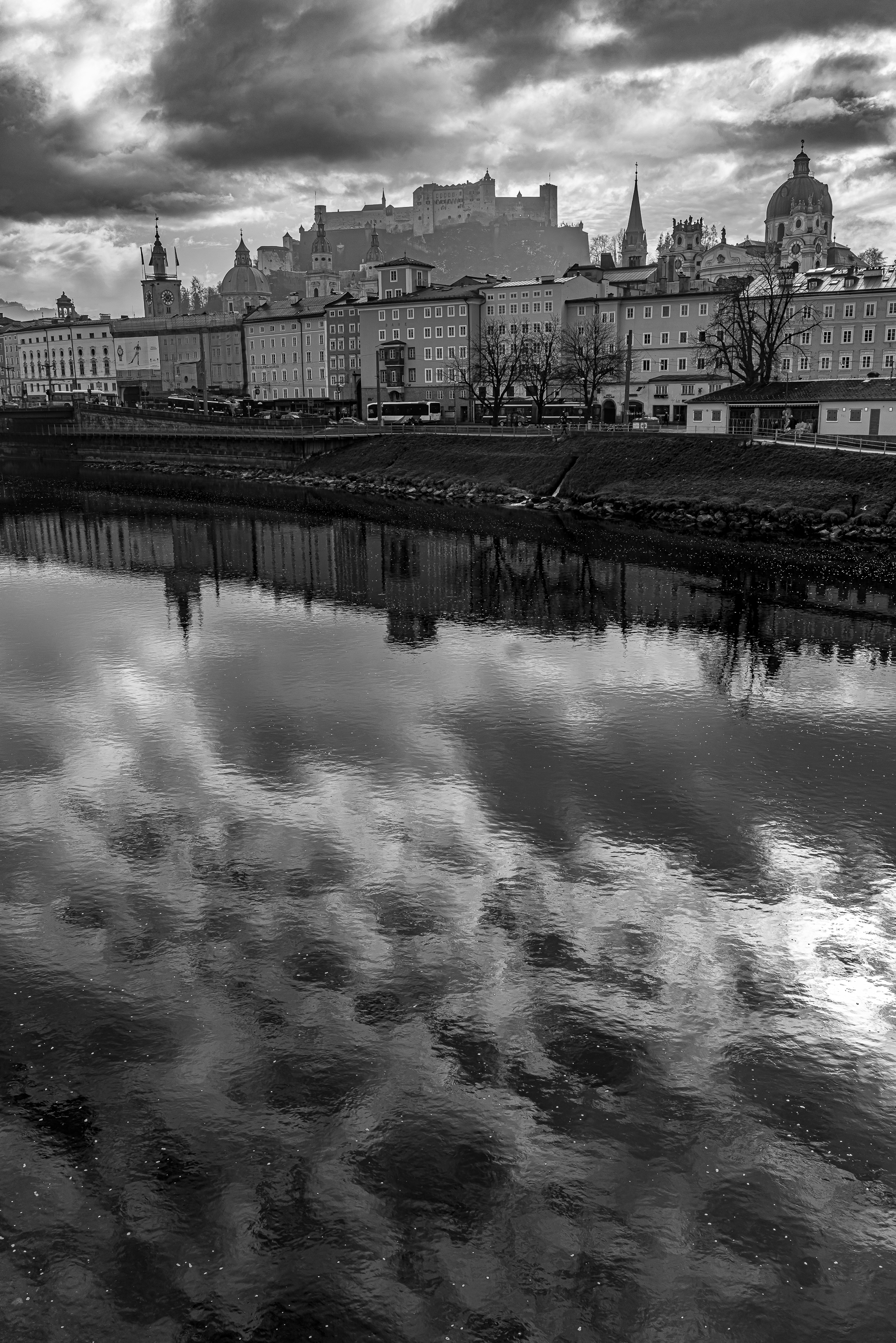
Not the Salzburg of stone that insists on remaining standing, but that of the water, which any ripple undoes effortlessly.
And I found myself thinking that perhaps that was the true version: not the Salzburg of stone that insists on remaining standing, but that of the water, which any ripple undoes effortlessly. The one that resembles what really happened.
Tomorrow I will climb to the fortress. I want to see Salzburg from where they saw it.